
Case Study: The Great Hair Tie Heist. 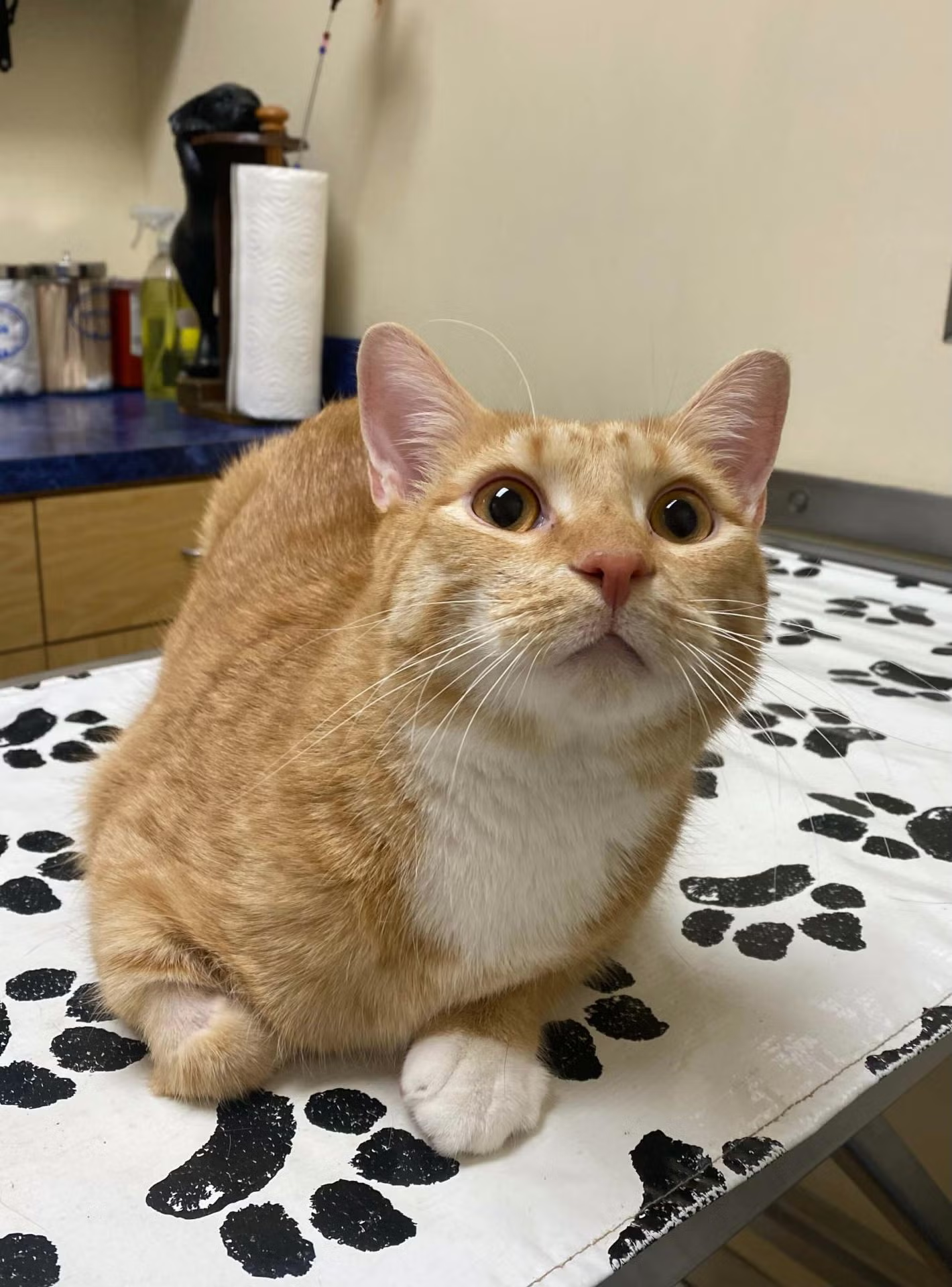
Harvey, a 1 1/2 year old cat, was brought to Countryside for Intermittent vomiting over the past month, with a sudden escalation resulting in vomiting 7 times that morning.
On physical examination, Harvey was bright and alert but slightly underweight. His abdominal palpation was non-painful, which can sometimes make gastrointestinal problems harder to detect in cats. Given the history and severity of his vomiting, abdominal x-rays were taken. The radiographs revealed a stomach that was markedly distended with material; an unexpected finding given his repeated vomiting and lack of appetite that day.
Because we have seen similar cases before, we asked a simple but important question: "Are there any hair ties or rubber bands missing at home?" The owners quick response was; "I have five daughters"; which provided a critical clue.
Cats are notorious for a behavior known as pica, in which they seek out and ingest non-food items. Hair ties, rubber bands, string, and other soft plastics are especially appealing due to their texture and movement. Cats may quietly collect and swallow these items over time, often without anyone noticing. Unfortunately, these items do not digest and can accumulate in the stomach or intestines, leading to chronic vomiting and, eventually, a surgical surgery.
Harvey's bloodwork was normal, making him a good candidate for anesthesia. Surgery was performed promptly, and a handful of hair ties and string were removed from his stomach. He recovered quickly and is now back home and doing very well.
Why we're sharing Harvey's story:
This behavior is more common than many cat owners realize. Harvey's case is not unique, and that's exactly why it's important. Awareness is the first step in prevention.
Prevention tips for cat owners:
- Keep hair ties, rubber bands, string, and similar items stored securely
- Dispose of broken or stretched hair ties immediately
- Choose cat toys designed for safe, supervised play
- Seek veterinary care promptly for repeated or unexplained vomiting
Sneaky habits can sometimes lead to serious consequences, but with awareness and early intervention, outcomes like Harvey's can be very positive!