
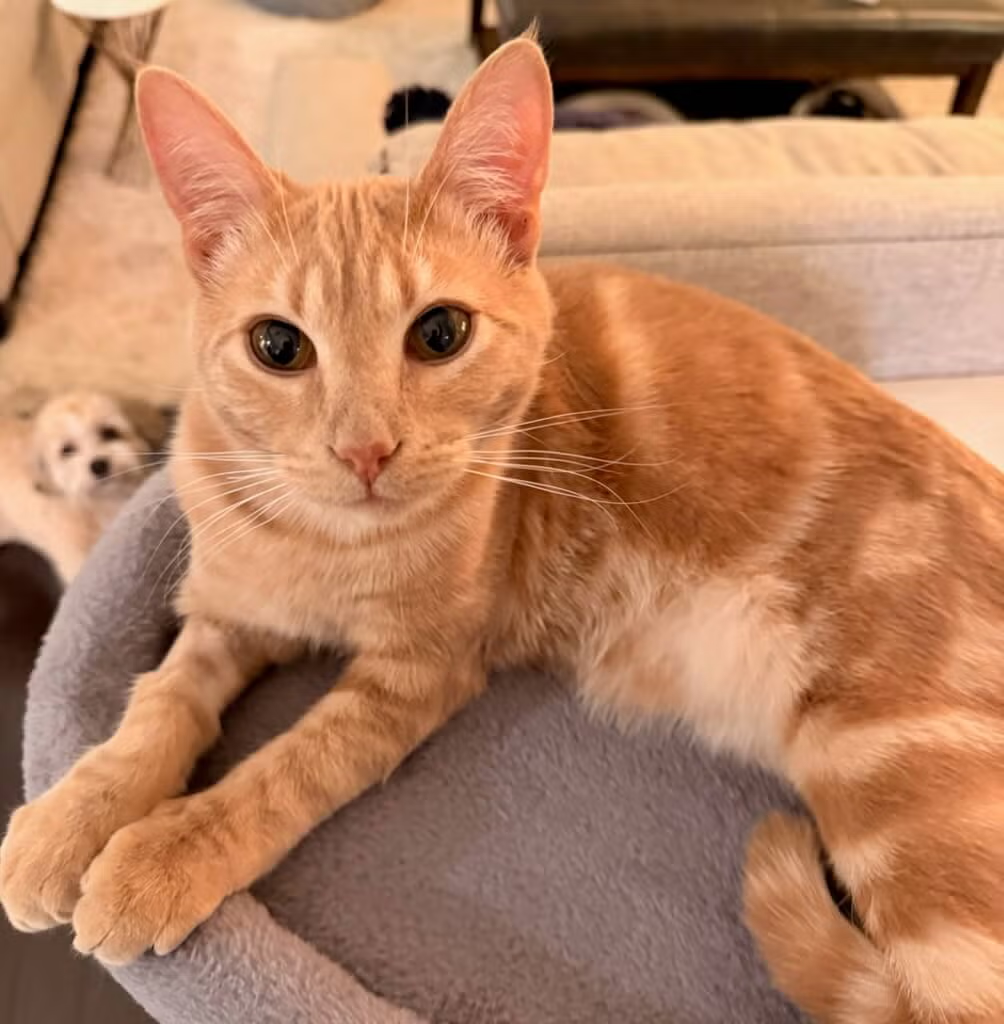
Case Study: Taco's Second Chance
Taco, a 7-month-old kitten, was brought to Countryside Veterinary Clinic after his family noted he was less playful and eating less than usual. On physical examination, Taco was bright and alert, but he was underweight, and his mucous membranes appeared pale yellow, an important clue that something much more serious might be occurring.
Immediate in-house bloodwork revealed that Taco was anemic, meaning he had a low red blood cell count. Also, his protein and globulin levels were significantly elevated. Taken together, these findings were highly suggestive of Feline Infectious Peritonitis (FIP).
FIP is a disease caused by a mutation of the feline coronavirus. Historically, it was considered a fatal diagnosis, leaving veterinarians and families with few options beyond supportive care. Fortunately, that has changed. Very recently, the FDA has approved an antiviral medication that has proven to be highly effective in treating FIP when started promptly. This medication is created on a patient-specific basis, which can take several days for a pharmacy to formulate into pills and for us to receive by mail, especially during the Christmas and New Year holidays.
Recognizing the urgency, our team at Countryside thought creatively. Knowing that another client's cat was already receiving this medication, we reached out to ask whether they would be willing to share doses so Taco could begin treatment immediately. Within minutes, this owner arrived at Countryside, and Taco received his first dose without delay.
Despite early intervention, Taco worsened over the next 24 hours and required a blood transfusion. He was transferred to Anne Arundel Veterinary Emergency Clinic (AAVEC) in Annapolis, where their emergency team was prepared to administer this life-saving care. From there, it became a waiting period, filled with cautious hope.
Then Taco turned a corner.
His energy began to return. He started eating again. Within the first week, he gained back a full pound. Today, Taco is home, growing, eating, playing, and acting like the kitten he is. He will remain on this oral medication for the full 84-day course and is doing exceptionally well.
Why we're sharing Taco's story:
This case highlights what is possible when early diagnosis, teamwork, and compassion come together, an astute veterinary assessment, a devoted and loving family who acted quickly on Taco's behalf, a generous client willing to help another pet in need, a skilled emergency team, and the availability of a treatment for a once-fatal disease. Thanks to these combined efforts, Taco was given the chance to thrive.